
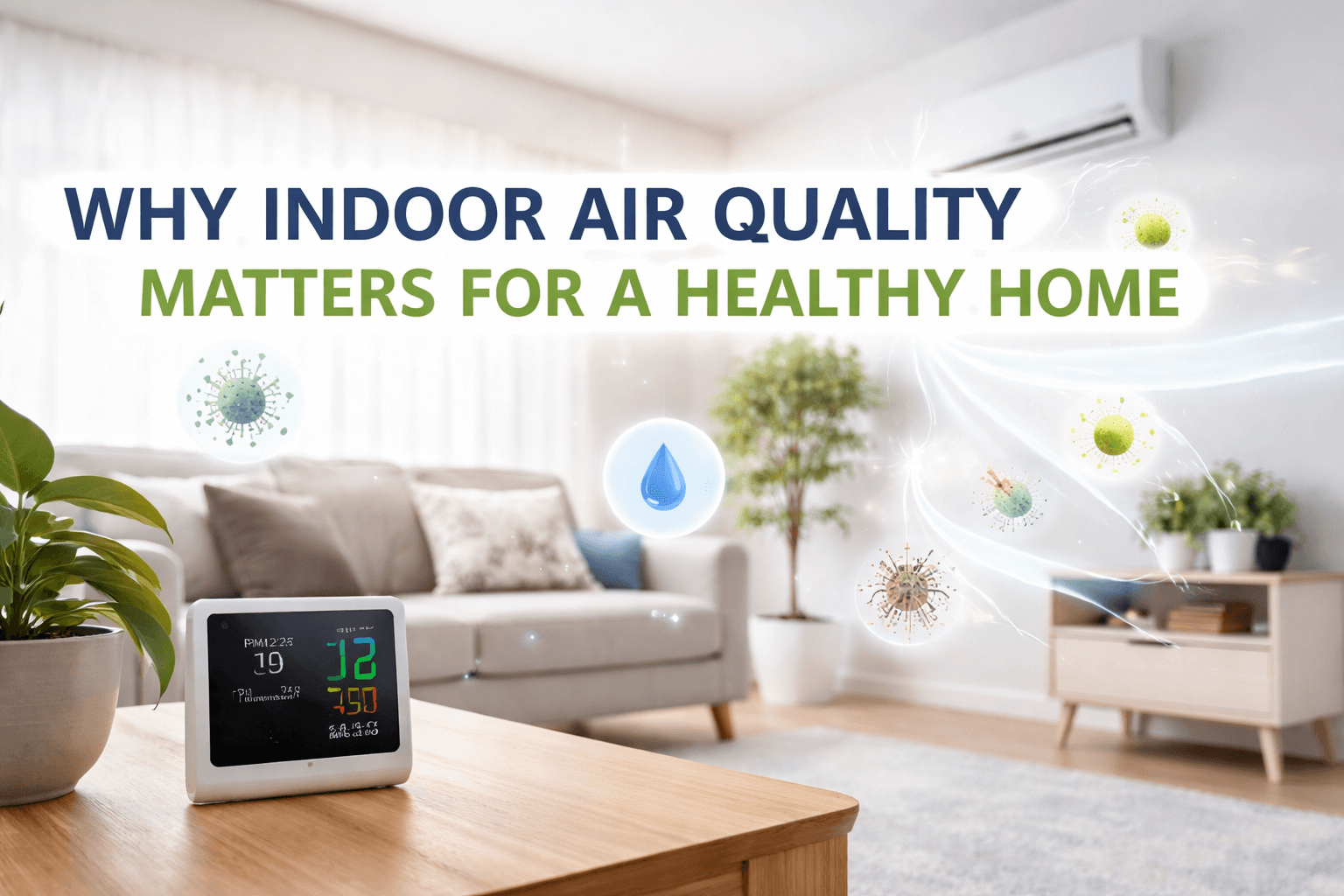
For many homeowners, comfort used to mean a warm house in winter and cool air during the summer months. Today, however, comfort means something more. Increasingly, homeowners are thinking about the quality of the air inside their homes and how it affects their health, sleep, and daily well-being.
The average person spends roughly 90 percent of their time indoors, according to environmental health research. Because of that, the air inside our homes plays a far greater role in overall wellness than most people realize. Dust, allergens, humidity, and ventilation issues can quietly affect indoor environments in ways that aren’t always obvious at first.
As awareness of indoor air quality grows, more homeowners are paying closer attention to how their homes manage airflow, filtration, and humidity.
The Hidden Factors That Affect Indoor Air
Many everyday household activities can impact air quality. Cooking, cleaning products, pet dander, and seasonal pollen can all introduce particles into the air inside a home. Even newer homes with modern construction can experience indoor air quality challenges if ventilation and filtration systems are not properly balanced.
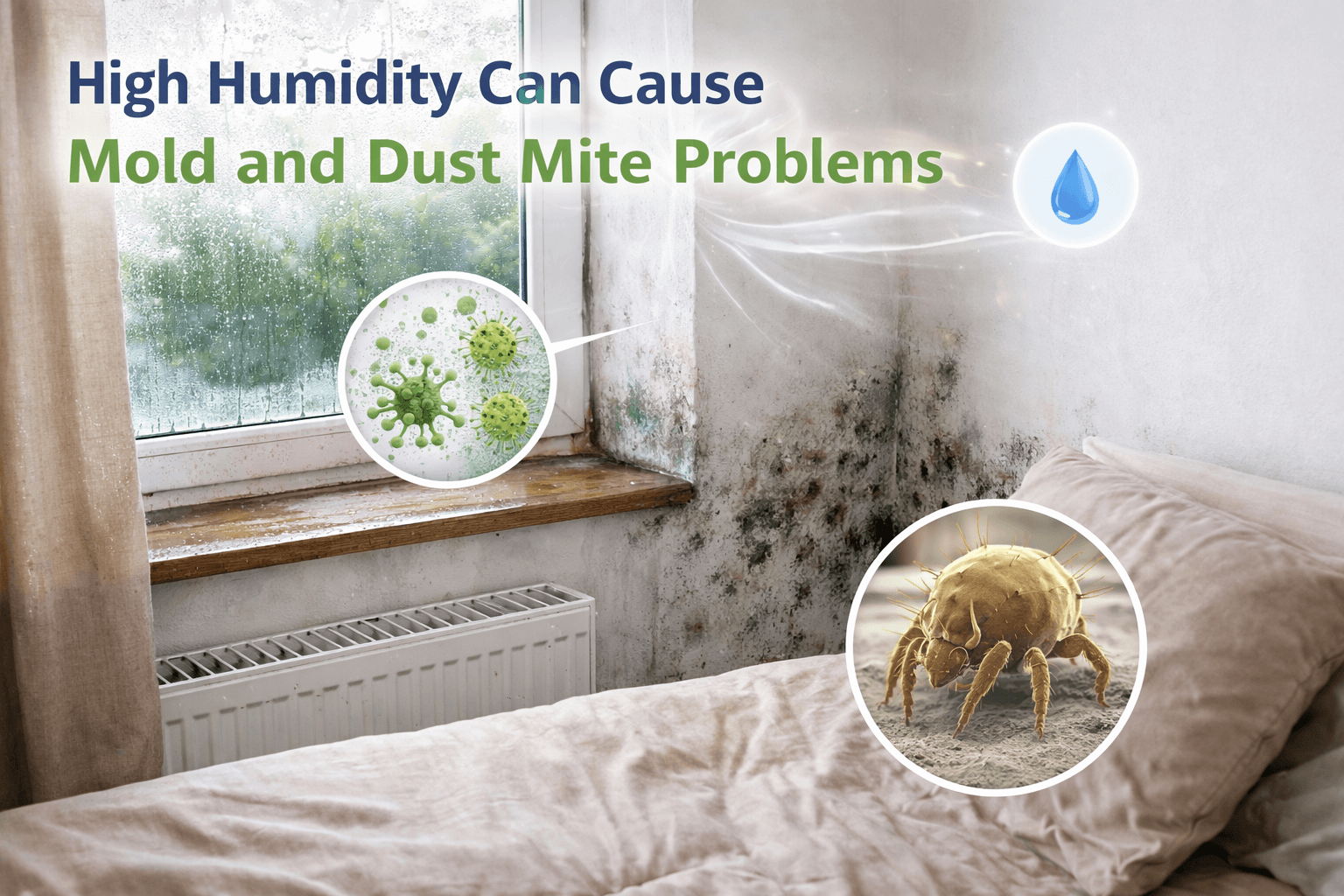
Humidity is another major factor. When humidity levels climb too high, homes can feel uncomfortable and musty. Excess moisture can also contribute to mold growth and dust mite activity, which can aggravate allergies and respiratory issues.
On the other hand, air that is too dry can create its own problems, leading to dry skin, irritated sinuses, and static electricity. Maintaining balanced indoor humidity is an important but often overlooked part of creating a healthy indoor environment.
The Role of HVAC Systems in Air Quality
While many people associate heating and cooling systems primarily with temperature control, modern HVAC systems play a much larger role in managing indoor air quality.
Heating and cooling systems circulate and filter the air throughout a home. When properly designed and maintained, they can help remove airborne particles, regulate humidity, and keep indoor air moving effectively.
Advanced filtration systems, high-efficiency air filters, and air purification technologies are becoming more common in modern homes. These systems are designed to capture fine particles such as pollen, dust, and other allergens before they circulate through living spaces.
Proper airflow design is also essential. If air circulation is restricted by undersized ductwork or poorly balanced systems, certain areas of the home may experience stagnant air while others receive too much airflow.
Why Older Homes May Face Greater Challenges
Homes built decades ago were constructed with very different expectations about ventilation and air movement. Many older homes were designed to rely on natural air leakage through windows, doors, and building materials rather than tightly sealed insulation and mechanical airflow.
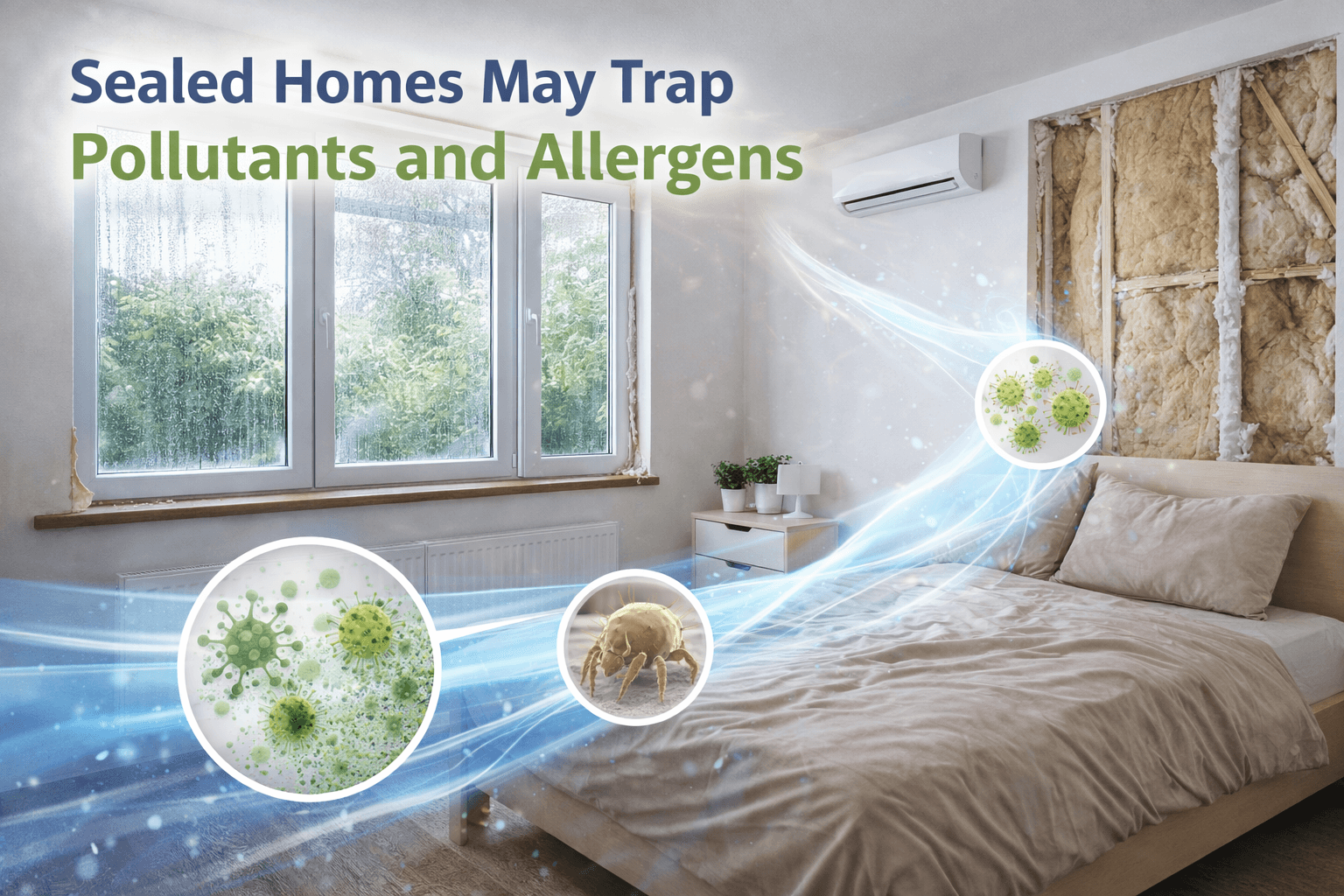
As homeowners upgrade insulation and windows to improve energy efficiency, those same homes may experience reduced natural airflow. Without proper ventilation planning, indoor air can become trapped, allowing pollutants and allergens to accumulate.
This is one reason many homeowners exploring air quality improvements look at how their heating and cooling systems distribute and filter air. Understanding how home HVAC systems affect indoor air quality can help homeowners make informed decisions about maintaining a healthier living environment.
Practical Steps Homeowners Can Take
Improving indoor air quality does not always require major renovations. Several simple steps can make a noticeable difference.
First, replacing HVAC air filters regularly can help reduce the circulation of dust and allergens. High-efficiency filters can capture smaller airborne particles that standard filters may miss.
Second, homeowners should ensure their homes maintain balanced humidity levels. Dehumidifiers and whole-home humidity control systems can help maintain comfortable indoor conditions throughout the year.
Third, routine maintenance of heating and cooling systems ensures that airflow and filtration systems operate as intended. Even well-designed systems can lose efficiency if they are not properly maintained.
Finally, homeowners may consider supplemental air purification systems, particularly in households with allergy sufferers or pets.
A Growing Focus on Healthy Homes
As people spend more time working, relaxing, and sleeping at home, the concept of the “healthy home” is becoming more important. Indoor air quality, humidity control, and balanced airflow all contribute to a living space that supports both comfort and well-being.
The good news is that improvements in modern heating, cooling, and air filtration technologies have made it easier than ever for homeowners to create healthier indoor environments.
Understanding how homes manage airflow and air quality is an important first step toward building spaces that not only feel comfortable, but also support long-term health.
- Stefan Neary/2026