Nature Doesn’t Lie: Heat, Deforestation, Bleaching, Death
We are currently facing massive areas on land and under the sea that are dead. It’s irrefutable and bloody frightening.
Man, the superpredator, is the culprit.
Keep Reading
We are currently facing massive areas on land and under the sea that are dead. It’s irrefutable and bloody frightening.
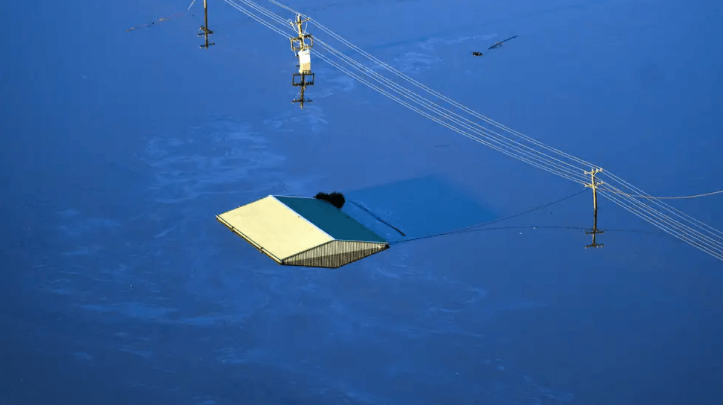
Ten Hiroshima atomic bombs, every second of the year, of fossil fuel heat in the oceans has once again lambasted Australia. Historic climate floods deluged parts of Queensland and New South Wales.
These god-awful once in 100 years’ floods made the 2011 and 2020 climate floods seem tame. They, too, were deadly.
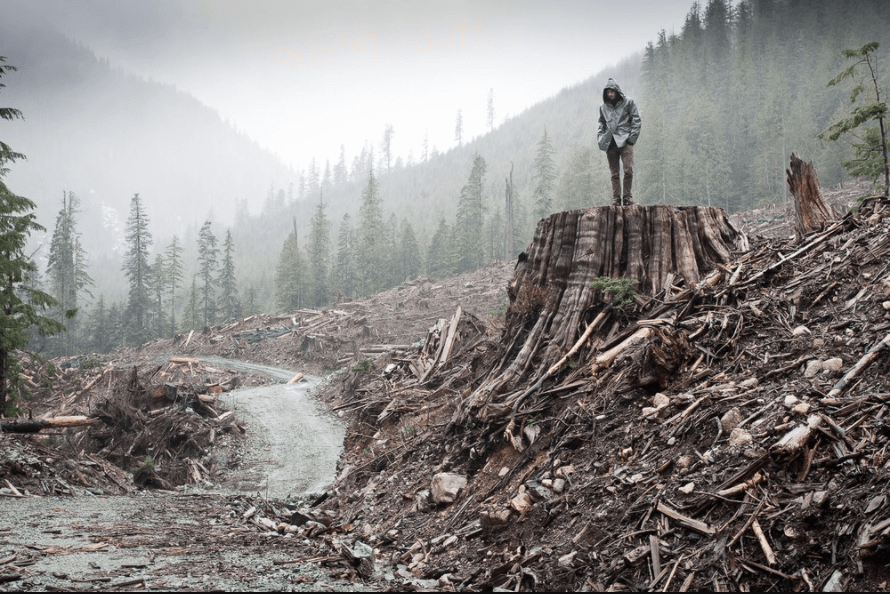
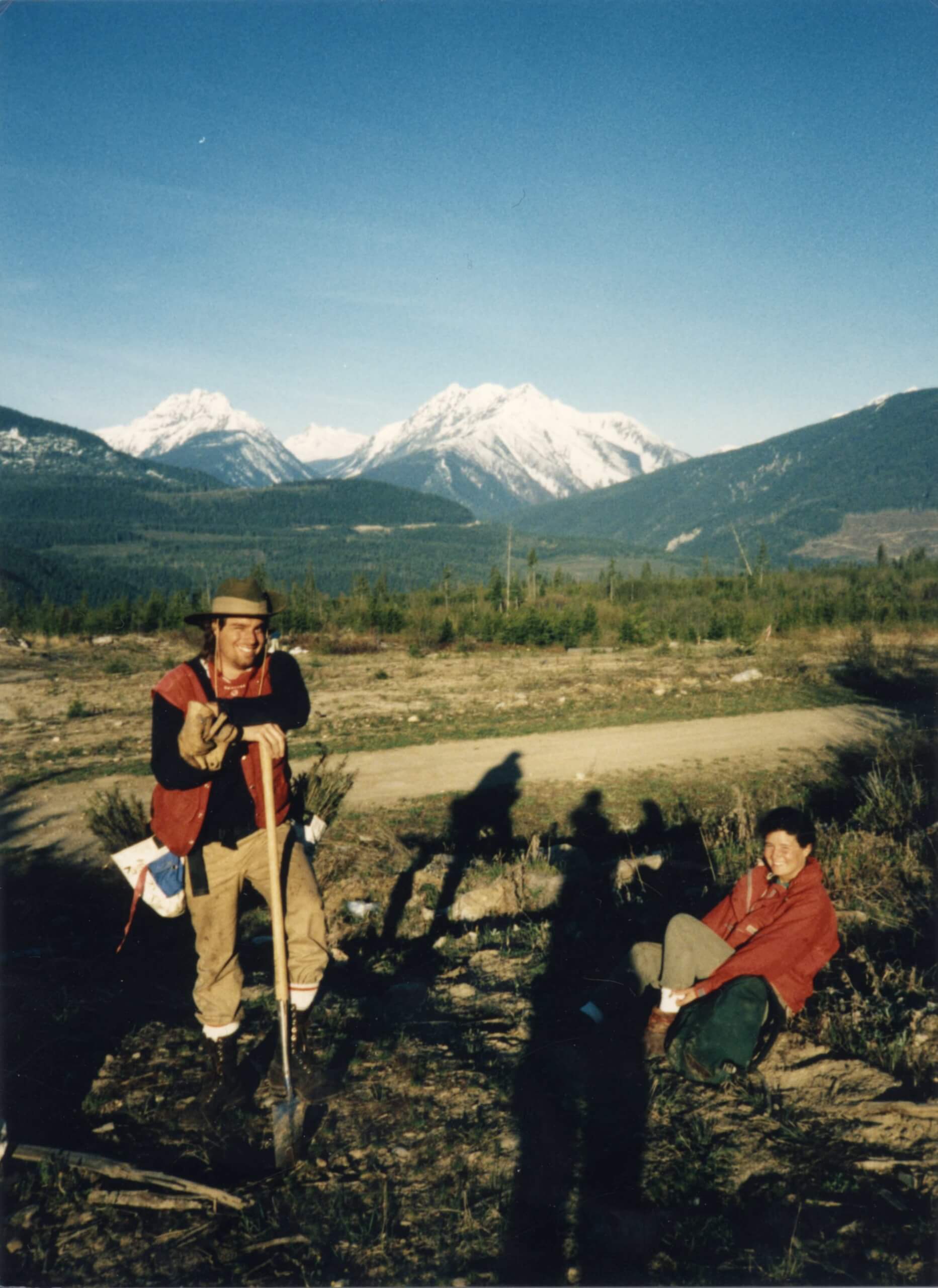
Keep ReadingHow much is enough? More. Since 1981, I have witnessed the greatest and most diversified temperate old-growth rainforests in the world, those of British Columbia (BC), being raped and pillaged under the auspice of crown (provincial) forestry management propping up a couple hundred timber-harvesting towns and the opportunistic (and fleeting) multinational corporations that milk the system and taunt the people with jobs.

Today, about a couple dozen old-growth wood-addicted communities with automated state-of-the-art mills remain. It’s a house of cards that over the previous decade has siphoned $3.65 billion from the provincial coffers to stay afloat. Lousy subsidies.
In reality, every day there are less wild rainforests and far less animals. Habitat destruction is horrible in an accelerating man-driven Age of Extinction. Additionally, those cutover forestlands are incapable of decontaminating putrid fossil fuel-tainted rainwater, which runs off into the sea or through your tap.
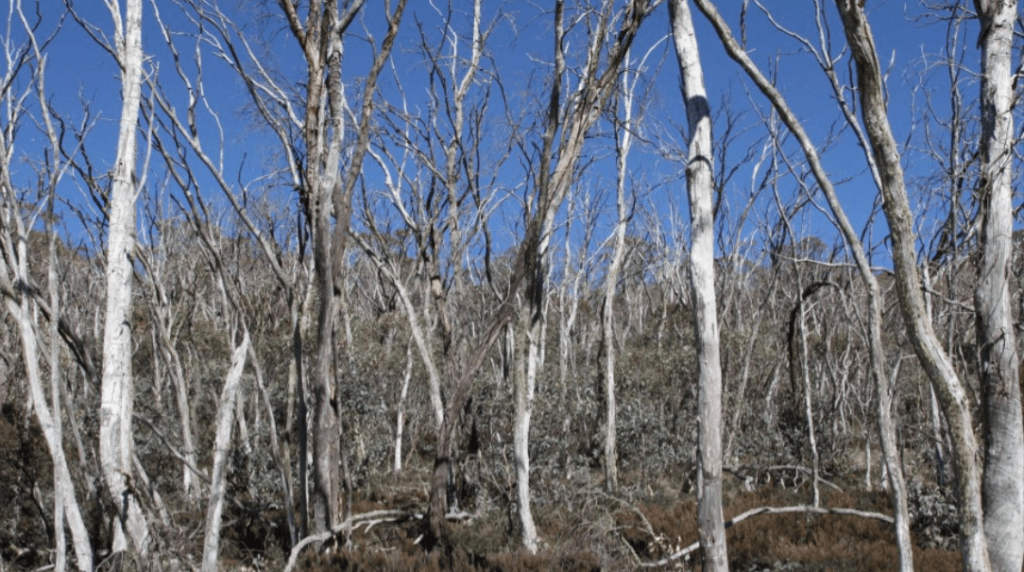
Keep ReadingFossil fuel stoked global heating has laid waste to the Aussie’s second favorite tree, the wonderful snow gums of the Alps.
Sprawling forest graveyards are strewn across Oz. From the lonely giants of the temperate southwest to the skeletons mangroves of the tropical northeast and along the bare high plains of New South Wales to the boiled ones of northeast Tasmania – it’s bloody grim.

I’ve walked in these eerie, lonesome tree cemeteries and lamented their loss to the nation. How many more millions of acres must we lose of these complex, climate-making, biodiverse hotspots replete with water-rich bastions before governments stop the annual $5.3 trillion in subsidies to the wealthiest and biggest polluters, the fossil fuel industry?
Keep ReadingThirty-nine years ago, the world agreed to end commercial whaling. Only two rogue nations, Japan and Norway, still refuse to abide by the rule of law.
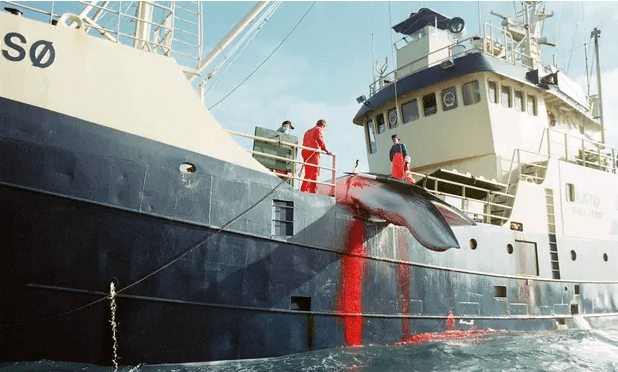
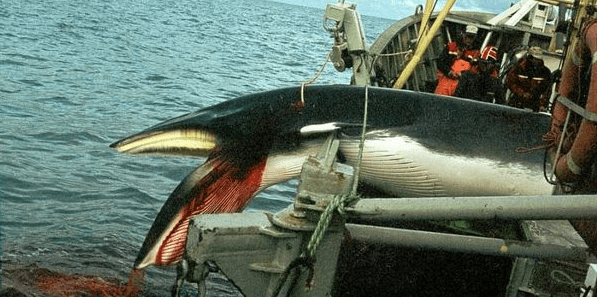
In 2020, Norway’s bloodthirsty whaling armada slaughtered 503 minke whales, 74 more whales than they destroyed in 2019. This year, Norway has issued death warrants for 1,278 minkes. These crazed planet-killers have single-handedly annihilated more than 14,000 wonderful whales over the previous 39 years. What the frack!

Are the Norwegians starving? Is there really a consumer demand to eat our mammalian kith and kin, the whales? No. Instead, these glorious masterpieces are brutally killed and minced into dog food. Wot.
Keep ReadingThe climate generation (Gen Zs, or under 26s) comprises almost a third of the world’s population. These intrepid kind humans are fighting the climate crisis by ‘taking the rose by the thorn’ and eating plant-based diets to save Mother Earth. Happy dance!

The purchasing power of the Gen Zs is formidable. It exceeds $3 trillion. Recently, the UK’s BOL Foods became an entirely plant-based company with planet-friendly food for the burgeoning Gen Zs vegans. Additionally, that company is now saving 200 metric tons of CO2 and 1.8 million gallons of water annually.
Keep ReadingMany people loathe trophy hunters. Hunters have sullied the word ‘conservation’ and wreaked horrible pain and suffering upon the animal kingdom. Moreover, these worthless planet-killers are hastening the man-driven Sixth Mass Extinction.

The Trump administration inflicted tremendous damage on Mother Earth, national monuments, old-growth-forests and our brethren and sistren, the animals. See The Gen Z Emergency for gory details.
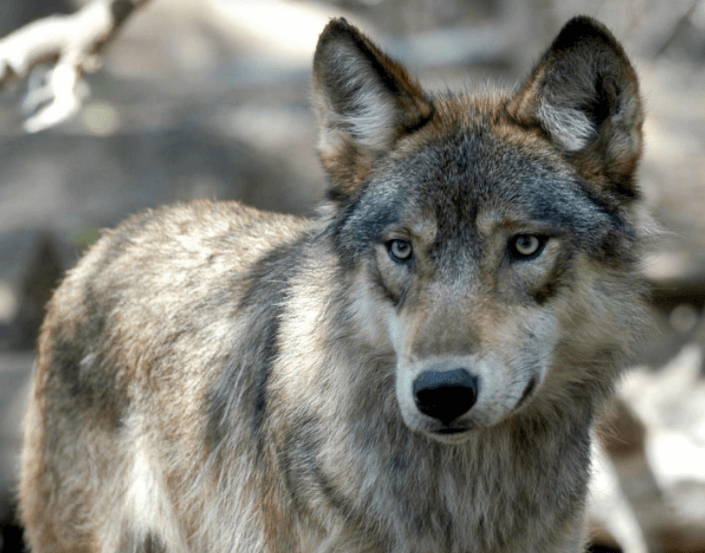
Since 1933, wolves have been persecuted in the United States. Forty-seven years ago the Endangered Species Act saved the gray wolves in the lower 48 states from extinction.

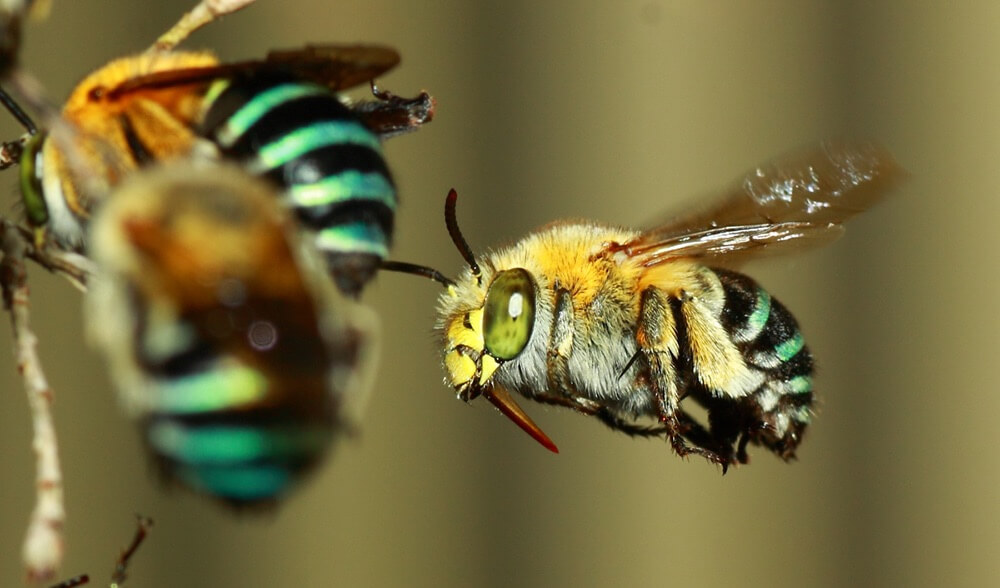
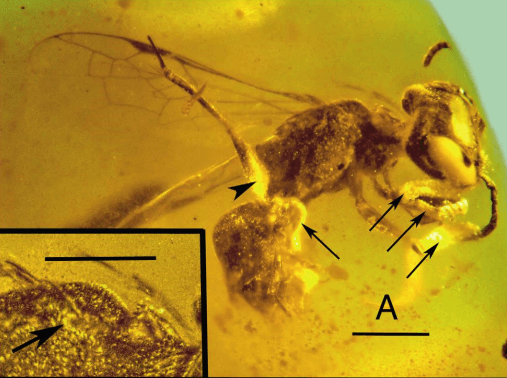
Bees are mysterious, smart and indispensable beings. They have stood the test of time for a 100 million years on this planet. Bees are in dire trouble today, and we know the main culprit all too well – many, many dozens of billions of pounds of man-made nerve poisons.
There are about 400,000 kinds of flowering plants that depend upon pollinators in order to successfully reproduce. Bees, hoverflies, moths, butterflies, beetles, bats, lizards, primates and birds pollinate the plants. About 20,000 bee species undertake the lion’s share of cross-pollinating the plant kingdom.
Keep ReadingIf you never saw the Purple People Eaters browbeat quarterbacks or Joe Greene and the Steel Curtain blank opponent after opponent; if you never saw Walter Payton deliver crushing blows to prospective tacklers or Gayle Sayers dance his way to the goal line; if you never saw Paul Hornung covered in mud or an exhausted Kellen Winslow dragged off the field; if you’re not sure who the Super Bowl trophy is named after or who George Halas is or why the AFC trophy is named after Lamar Hunt, then to you NFL football may seem great, just fine, normal. But to those of us who have been fans long enough to remember when the game was still football, today’s NFL is a sad and pale reminder of better days gone by.
From 1948 to 1960 a linebacker named Hardy Brown terrorized NFL offenses using a devastating right shoulder, which he used the way a boxer delivers a six-inch knockout punch, sending player after player from field to hospital. During an interview for NFL Films in the 70s, after rule changes began to calm the game down, Hardy called the current state of football “a sissy game”. As much as we hated to see him go in 1991, it’s probably better that Hardy never got a chance to see today’s much sissy-er version of the game he loved to play.
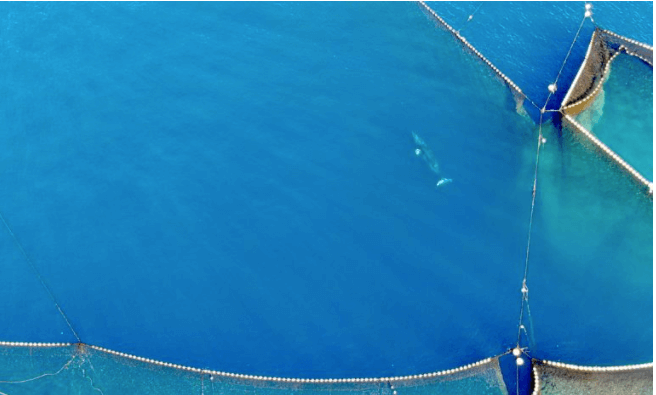
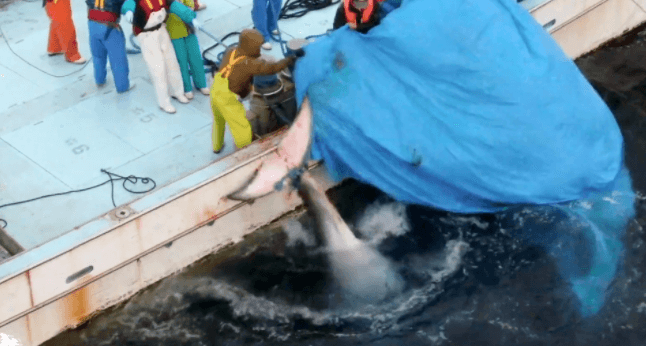
Keep ReadingA horrible whale massacre took place last month near the infamous town of Taiji, south central Japan, renowned for its cruelty. It sickened (and rightfully so) millions of empathetic people as they helplessly witnessed cold-blooded executioners in-action.

On Christmas Eve 2020, a minke whale unsuspectingly swam into a pen of stationary nets near Taiji. Ren Yabuki, an animal activist with the Life Investigation Agency, fortuitously saw it. Using a drone, he documented the whale’s plight and enlisted the global support of animal lovers to free our brethren and sistren of the sea.
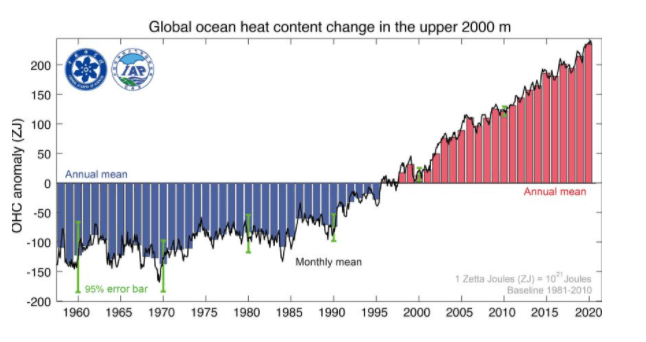
Keep ReadingThe oceans store more than 90 percent of all combustion heat. In 2020, record fossil fuel and wood pellet heat in the ocean was the energetic equivalent of detonating 315,536,000 Hiroshima atomic bombs. The energy within the oceans drives the climate, which is becoming less predictable and more violent.
Planetary ice is important for reflecting incoming solar radiation back to outer space. As the world’s temperature rises, planetary ice is in peril. In fact, Earth’s ice is melting 57 percent faster than in the 1990s. The world has lost 28 trillion metric tons of ice since 1994. That is enough meltwater to fill 10.2 billion Olympic swimming pools, or, cover the entire state of California in ~200 feet of water.
Keep Reading*
The year 2020 set another horrible heat record in the oceans, which make up 99 percent of the planet’s biosphere, or, where life can exist. Many billions of our brethren and sistren, the animals, are already dead. It’s simply too hot.
The ocean heat is in lockstep with burning fossil fuels and wood pellets. In 2020, the world’s oceans absorbed the equivalent heat to dropping 10 Hiroshima atom bombs every second of the year (20,000,000,000,000,000,000,000 {sextillion} joules).

Allow me to remind you that the oceans drive Earth’s climate. Hence we are amid a worsening man-made climate crisis. It is never just about humans though. We share this glorious blue planet with a couple of million other life forms. All life is interrelated and we need everything that is left, alive.
*
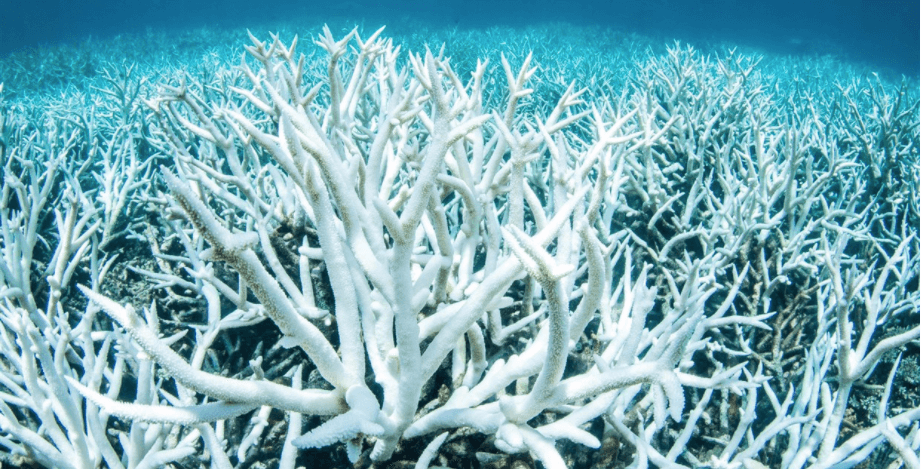
I was taught to respect my elders. The world’s largest coral reef system, or, the Great Barrier Reef (GBR), is about 8,000 old. It is sacred, yet it has been horribly abused. Consequently, the GBR is terminally ill.

*
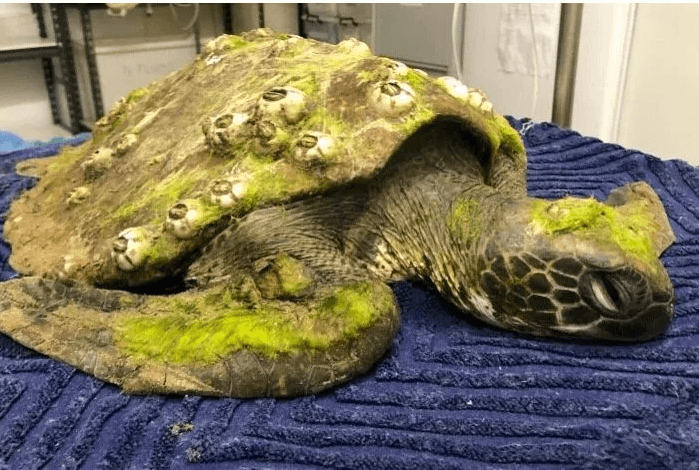
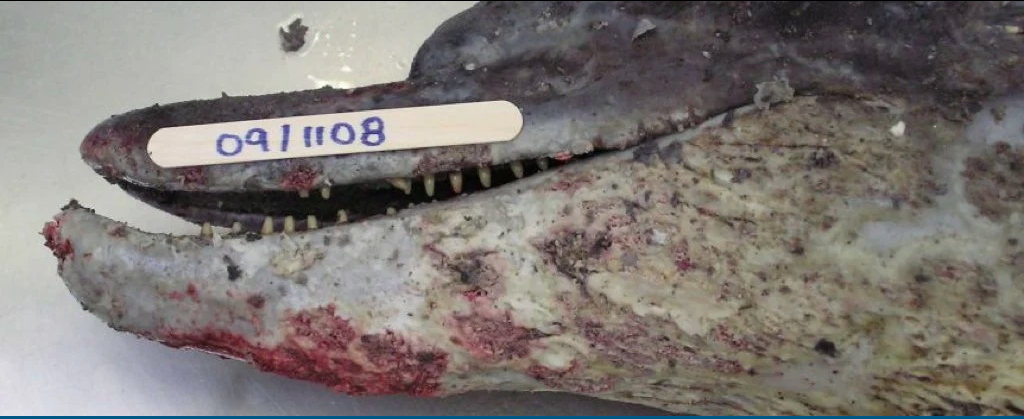
From Florida to Western Australia, our brethren and sistren, the bottlenose dolphins, are dying horribly. The culprits are the moneyed, banker-backed, government subsidized villains: Big Oil, Big Gas and Big Coal.
Each second, the heat from combusting fossil fuels is the equivalent of dropping five Hiroshima-style bombs into the oceans. Since 1994, that’s 3.6 billion atomic bombs worth of fossil fuel heat absorbed by the oceans. The oceans drive Earth’s habitable climate.
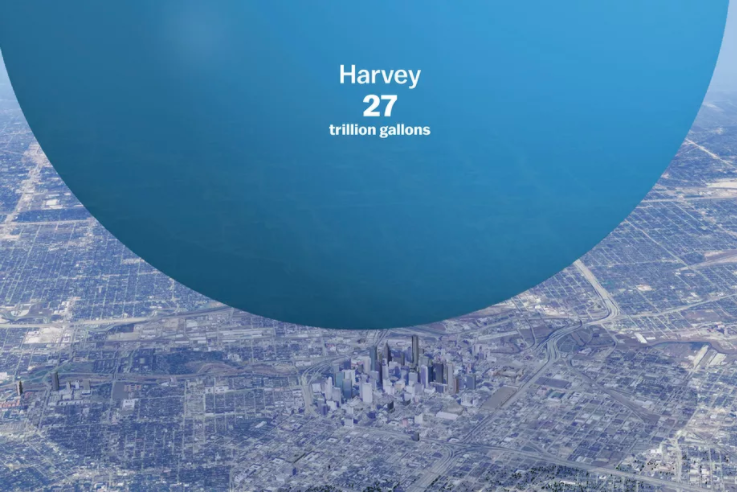
For every 1oC (1.8oF) increase, Earth’s atmosphere holds seven percent more moisture. Hence there are more extreme climate rain events today compared with a quarter century ago.

*
Alberta’s expensive, dirty, planetary-fricasseeing, water-ruining tar sands is a non-starter even with many billions of taxpayers subsidies that failed to prop up multi-national corporations with a nationalized pipeline. And now, 330 billion gallons of hideous carcinogenic poisons from giant tailing ponds (visible from space) are seeping into the waterways that empty into the Western Arctic Ocean.

If gooey water-contaminating oil deposits won’t work then how about dynamiting mountaintops, digging up coal and sullying another 100 billion gallons of alpine and glacier meltwater that eventually drains into Hudson Bay, the Eastern Arctic Ocean?
*
What will it take for the Gen Zs (under 26s) to have a habitable planet?
Switching the metric of progress from uncontrolled growth (the gross domestic product, or, GDP) to citizen wellbeing is an essential first step for the Gen Z’s survival.
*
The heat from fossil fuel and wood pellet combustion stored within the oceans (equivalent to dropping five Hiroshima atomic bombs every five seconds nonstop) is supercharging these god-awful climate hurricanes and climate fires.

Today, tropical storms are rapidly intensifying into hurricanes and typhoons. In addition, global heating is slowing down these tempests, which means they have become more torrential, violent and deadly.
*
Gen Zs (<26 year olds) are rescuing and breaking new ground within the queendom of our sistren, the bees.
Honeybees have a remarkably complex language. It includes dancing, headbutting and scaling vibrations. Each intriguing maneuver conveys specific and precise meaning. For example, when honeybees encounter giant Asian hornets their vibrational dialect quickly pulses up the scale. That is, the higher the pitch, the greater the peril.

Honeybees can communicate danger better than any other of the 900,000 or so kinds of insects. That’s why scientists are paying close attention to the bees because they spotlight toxicity within the environment. It’s high time for the lawmakers globally to ban all these deadly nerve poisons that are killing bees and birds, e.g., neonicotinoids, sulfoxaflors, flupyradifurone and chlorpyrifos.
Keep Reading*
From climate fires and insect epidemics to megadroughts and climate hurricanes, man-made global heating is terrifying! All hands on deck.
This Monday evening, satellite data from Hurricane Eta revealed sustained winds of 190 mph (306 kph) at its core. This climate hurricane in the North Atlantic was the strongest storm so far recorded, and the only Category 5 hurricane ever to form in the Atlantic during November.

On Tuesday, Eta delivered an unsurvivable 21-foot (6.4 m) storm surge to northern Nicaragua and southern Honduras. According to the United Nations Children’s Fund (UNICEF), nearly 500,000 children (Gen Zs) were in danger of becoming climate refugees.

Meanwhile, Eta has left the ravaged landfall and is drawing energy from the warm Caribbean Sea while moving slowly northeast towards the Florida Keys.
Why has Earth’s climate changed so radically in such a short span of time? The elephant in the living room is combustion heat from fossil fuels and wood pellets chopped up from old-growth forests. That accumulated heat is being stored deep within the oceans. Over the previous 25 years, that heat is the equivalent of dropping 3.6 billion Hiroshima atom-bombs. The oceans drive Earth’s climate, which has become unstable with both higher highs and lower lows.
Even to the untrained eye, the effects of climate instability are highly conspicuous across western North America’s cold tolerant and hardy coniferous forests.